At a glance
Handles common Facebook Page questions using approved business information.
Records lead details and enquiry context so conversations do not stay only in Messenger.
Shares a Calendly link when a call is requested and guides qualified conversations to review.
No quotes, availability overrides or business commitments are made by the agent.
Use case: A small builder or service business receiving recurring enquiries through a Facebook Page.
The problem
Facebook Page enquiries often arrive while the builder is on site, coordinating trades or handling active project decisions. People ask recurring questions about services, coverage areas, booking and next steps, but a delayed or inconsistent first response can leave a genuine enquiry cold.
The coordination problem is creating a useful first response without letting an automated assistant guess, quote, promise availability or make a commitment on behalf of the business.
How the system works
The documented build separates message intake, conversation handling, approved knowledge retrieval, response, lead capture and human handoff. It supports the front door of the business; it does not replace review or decision-making.
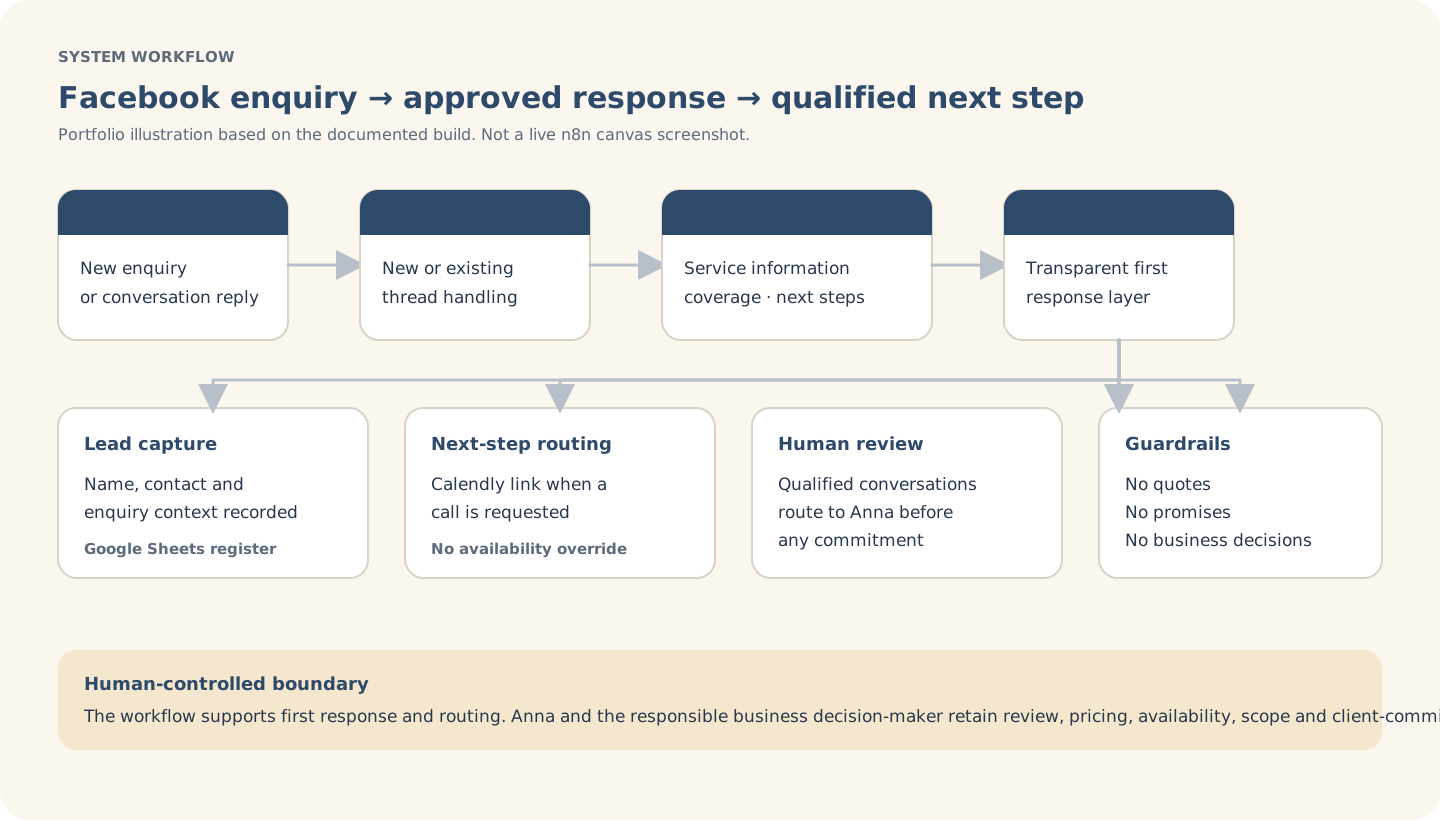
Explanatory workflow visual based on the documented portfolio build — not a live n8n canvas screenshot.
Inside the build
The build uses an approved knowledge source and explicit response boundaries. Lead capture and appointment routing are useful only when the next step remains clear and a human retains authority.
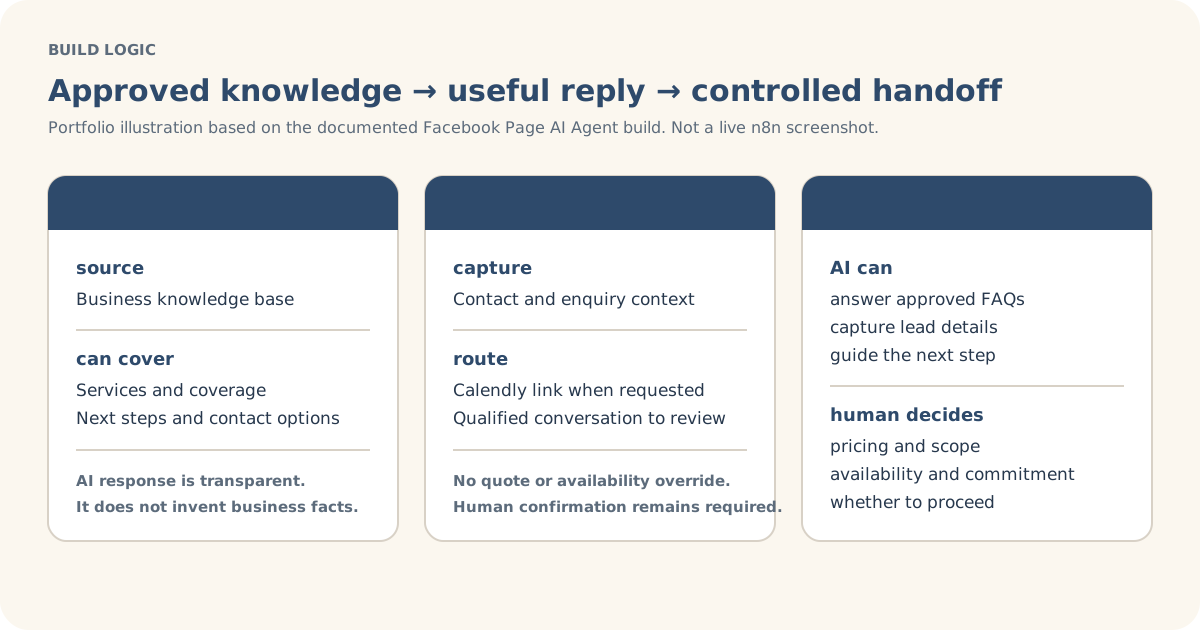
Explanatory build-detail visual derived from the documented workflow logic.
Actual build evidence
This is an authentic n8n canvas screenshot from the Facebook Page AI Agent build. It shows the documented intake, knowledge-base, response, monitoring and alert paths; the System Workflow and Build Logic SVGs remain the clearer client-readable explanations.
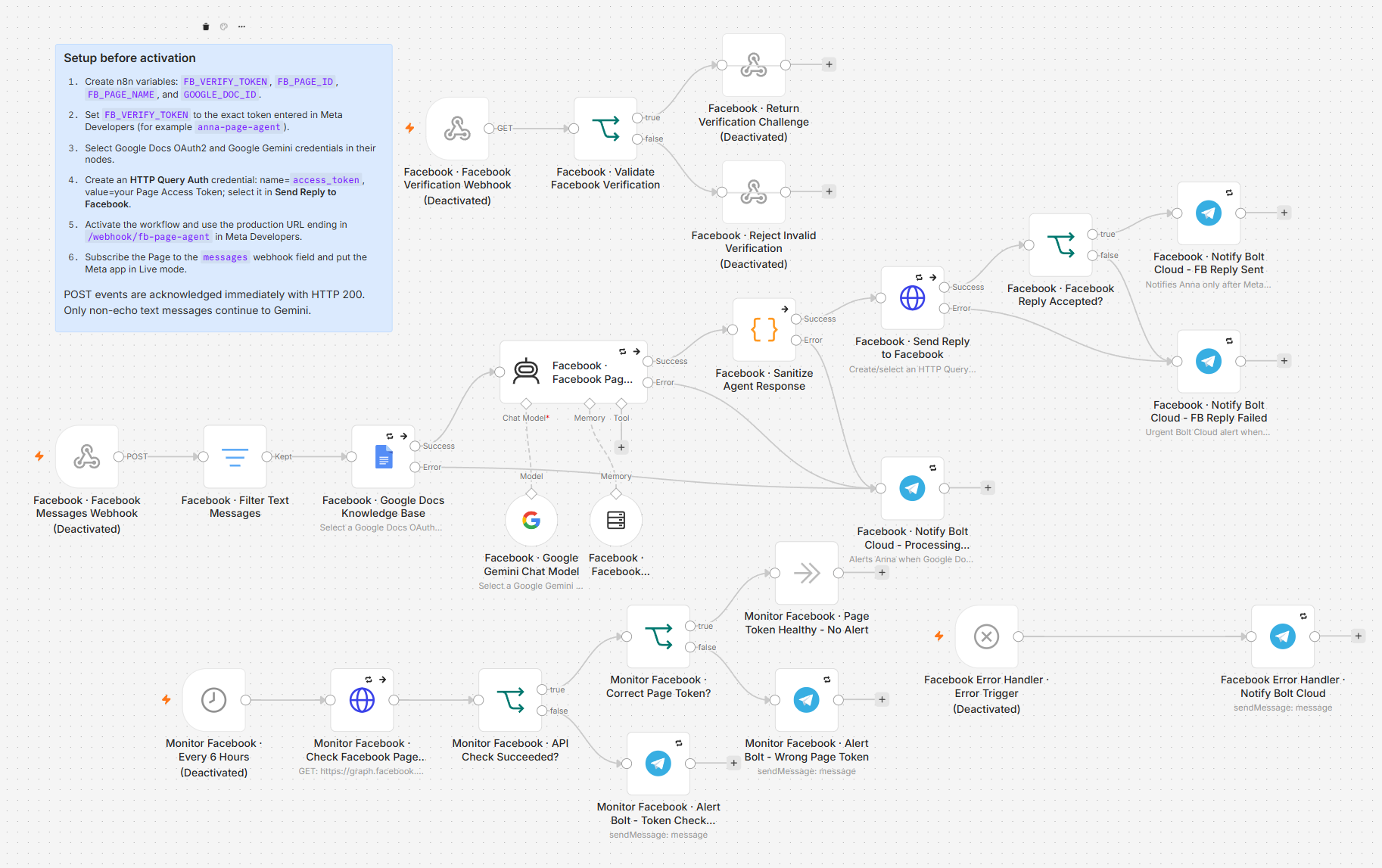
Actual n8n build screenshot supplied for this portfolio case study. The configuration note contains setup guidance only; no secret values are included. Click the image for an in-page larger view.
Controls & exceptions
The response layer is grounded in the business knowledge base rather than free-form guessing.
The documented workflow makes clear that the customer is speaking with an AI assistant.
The agent does not issue quotes, override availability or make business commitments.
Lead details and context are captured so the responsible decision-maker can review the next step.
What stays human-controlled
Automation supports the first response and routing layer. The responsible business decision-maker retains pricing, scope, availability, suitability, approval, negotiation and client-commitment authority.